

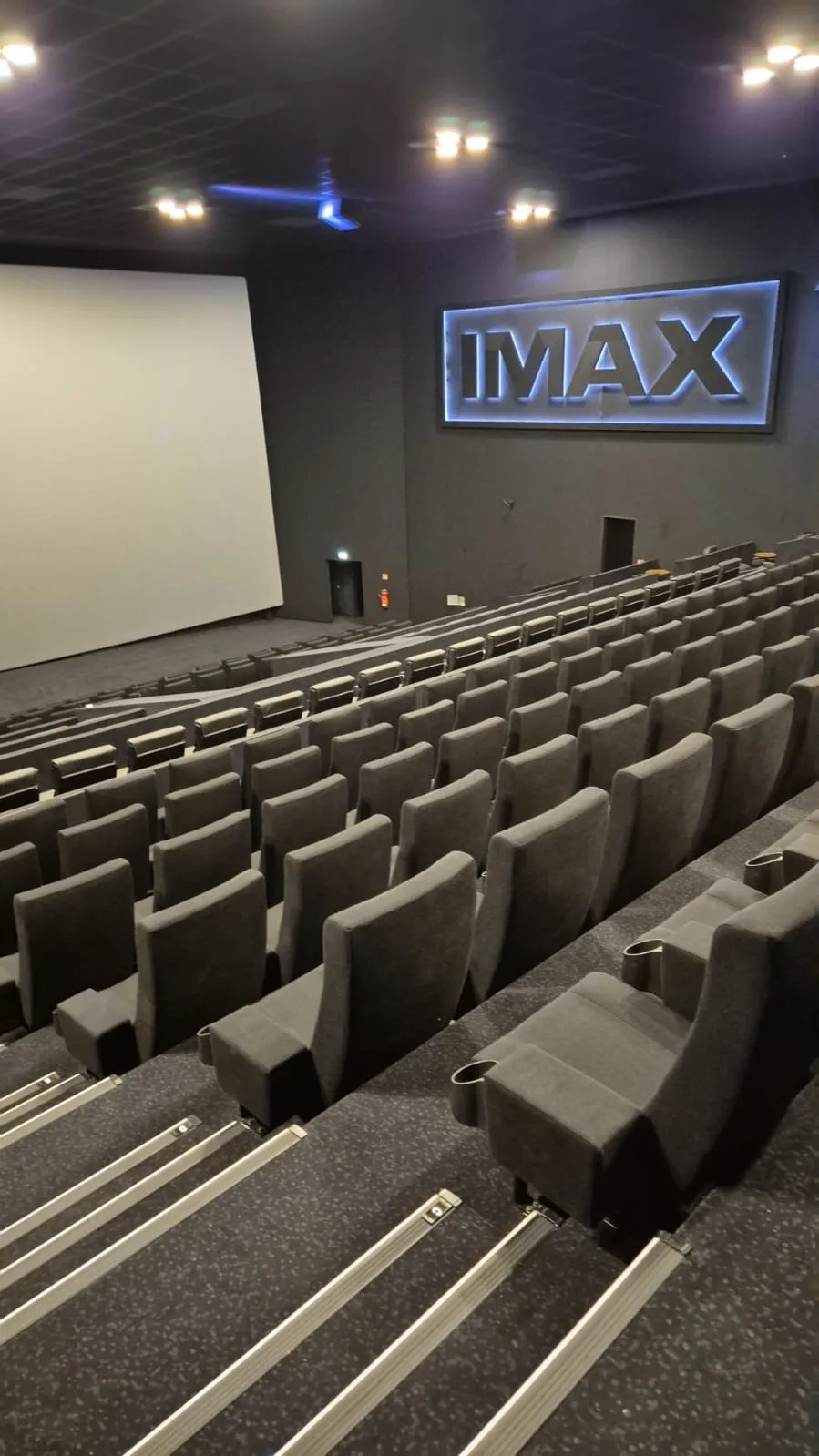
Where the Cinema Seat Truly Matters
In a cinema, everything is designed to disappear. The walls darken, the lights fade, the outside world falls silent. What remains is the screen and the audience. In that moment, the cinema seat becomes the only physical point of contact between the viewer and the space. Its role is subtle, but its influence is constant.
Cinema seats are not meant to impress. They are meant to support stillness, attention, and continuity. When they fail, the experience fractures. When they succeed, they go unnoticed.
The Seat as a Fixed Companion
Once the film begins, the cinema seat becomes a companion for the entire duration. Unlike other environments where people move freely, cinema seating demands long periods of uninterrupted use.
A well designed cinema seat allows
The body to settle quickly
Muscles to remain relaxed without collapse
Attention to remain forward, not inward
The seat does not invite movement. It gently discourages it.
Comfort That Does Not Call Attention
In cinema environments, comfort must be restrained. Excess softness creates restlessness. Overly rigid seating creates fatigue. The balance lies in support that is felt only when it is missing.
Effective cinema seating achieves comfort through
Proportion rather than padding
Supportive geometry rather than softness
Stability rather than flexibility
This kind of comfort is quiet and persistent.
How Seating Shapes Audience Behavior
Cinema seats influence how people behave without instruction. The angle of the backrest, the depth of the seat, and the spacing between rows all guide posture and movement.
When seating is designed thoughtfully
Viewers remain seated throughout the film
Movement is minimized
Shared space feels organized rather than crowded
Behavior aligns naturally with the intended experience.
Spatial Discipline Inside the Theatre
Cinema seating defines the internal order of the theatre. Rows, aisles, and spacing determine how the room feels before the first frame appears.
A disciplined seating layout
Creates visual rhythm
Supports clear circulation
Reinforces the sense of collective focus
The space feels intentional, not improvised.
Silence as a Seating Requirement
Sound is central to cinema. Seating must respect this by remaining acoustically neutral. Any noise from movement, structure, or material becomes immediately noticeable.
Professional cinema seats are developed to
Eliminate mechanical noise
Remain stable during use
Avoid vibration or resonance
Silence is not a feature. It is a requirement.
Durability in Daily Operation
Cinema seats are used repeatedly, often by hundreds of people each day. They must maintain performance long after the novelty has faded.
Durable cinema seating relies on
Strong internal structure
Materials that resist deformation
Construction that remains tight over time
Durability protects not only the seat, but the consistency of the cinema experience.
Visual Presence Without Dominance
Cinema seats occupy most of the visible area in a theatre, yet they should never dominate the space. Their visual role is to support atmosphere, not define it.
Well considered seating design emphasizes
Repetition over individuality
Calm forms over expressive shapes
Alignment with the room rather than contrast
The screen remains the focal point.
Adaptation to Changing Cinema Formats
Cinema formats evolve. Screening lengths change. Audience expectations shift. Seating must remain relevant without constant redesign.
Adaptable cinema seats support
Different theatre layouts
Varied audience demographics
Long term use despite operational changes
Adaptation is achieved through proportion, not gimmicks.
Maintenance as Part of Design Thinking
Cinema seating is part of daily operation. Cleaning, inspection, and upkeep are ongoing realities.
Seating designed with operation in mind allows
Efficient cleaning between screenings
Easy identification of wear
Reduced interruption to schedules
Good design simplifies what happens after installation.
When the Seat Does Its Job
The best cinema seat leaves no memory. Viewers remember the film, not the chair. Their bodies remain supported, their focus uninterrupted.
When seating functions properly
Time passes without discomfort
Attention stays with the story
The space fades into the background
This is not absence of design. It is design working at its highest level.
A Space That Holds Together
Cinema seating does not define the experience alone, but it holds it together. It supports the long pause, the shared silence, and the collective stillness that make cinema unique.
When seating is shaped by real use, careful proportion, and long term thinking, it becomes part of the rhythm of the theatre. It does not announce itself. It simply stays, performs, and allows the cinema to remain what it is meant to be.
Created By : Simko Cinema Seating